The short answer
- Same manufacturer: both brands belong to Guangdong Nanguang Photo&Video Systems Co., Ltd., and their lights are controlled with the same NANLINK app.
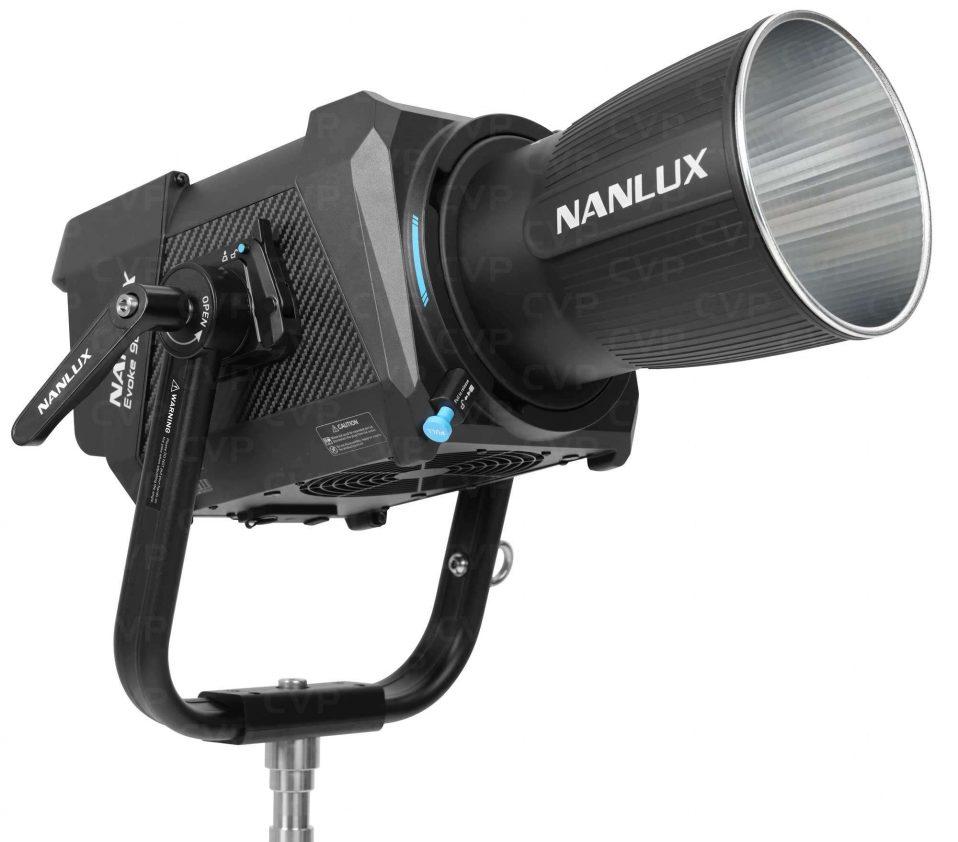
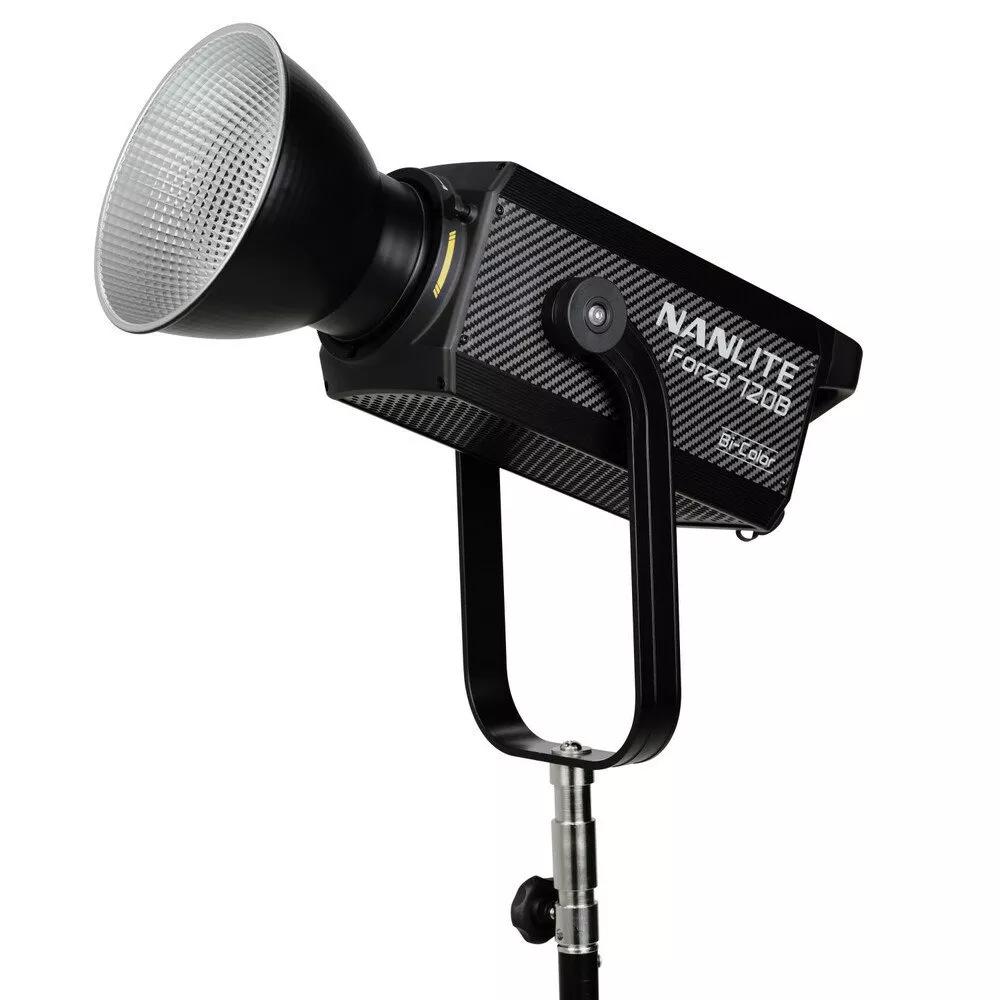
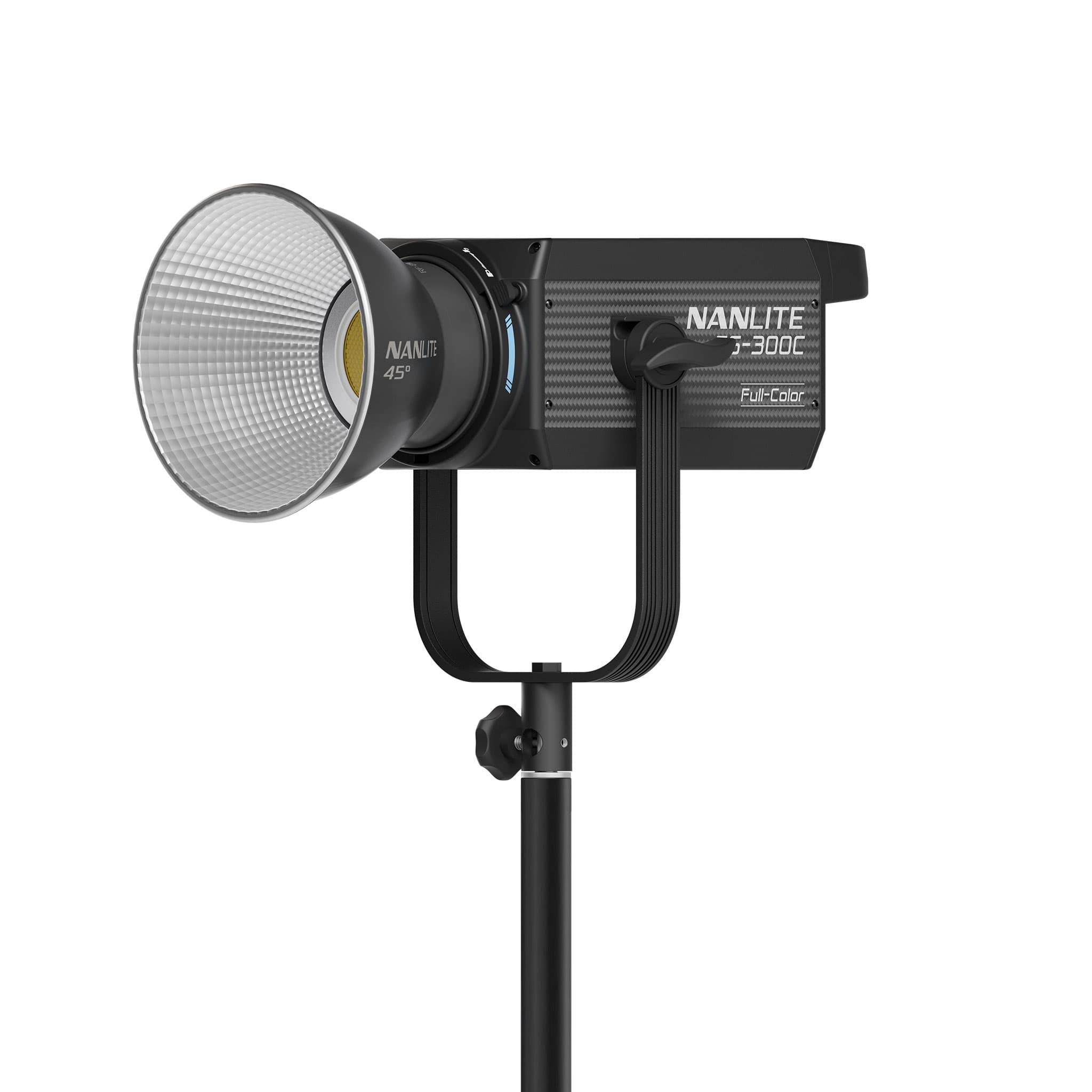
- Nanlite: compact and studio lights, from YouTube, podcast and interview rooms to TV studios run over DMX. The models in this comparison range from 300 W to 800 W and use a Bowens mount.
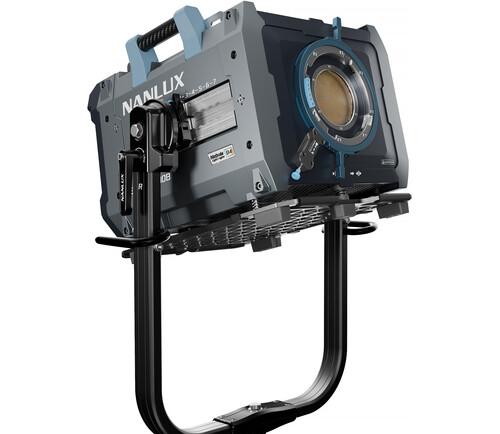
- Nanlux: high-power lights for film sets, large studios and exterior shoots. The Evoke models in this comparison range from 940 W to 5,000 W, and all have an IP rating (IP54–IP66) and built-in LumenRadio CRMX.
- The choice depends on how far the light has to throw, how large an area it lights, and whether it will face rain or dust. The two brands can also work side by side in one studio.
One manufacturer, two brands
Nanguang was founded in 1992 and is headquartered in Shantou, Guangdong Province, China. According to the company’s official history, the Nanlite brand launched in April 2019 and the Nanlux brand in September 2020; the NANLINK control system and the GUTEK protective case brand sit under the same roof. nanlux.com presents Nanlux as a professional lighting brand that answers professional clients’ requests through its parent company, Nanguang.
So the two are not competing companies but two product families from one manufacturer, aimed at different uses. True Medya is the distributor of both in Türkiye (Turkey): the official Where to Buy pages of Nanlite and Nanlux list True Yapım ve Medya A.Ş. for Turkey. Every Nanlite and Nanlux product bought from True Medya comes with 2 years of full technical support.
Model comparison
The table below is a selection of the Nanlite and Nanlux models on our product pages. “Not listed” in the IP column means the manufacturer’s official technical data gives no IP rating.
| Model | Rated power | Light type and colour temperature | IP rating | Console and network control |
|---|---|---|---|---|
| Nanlite FS-300C | 300 W | RGBW, 2,700–7,500 K | Not listed | No DMX; on-board, remote, NANLINK |
| Nanlite FC-500C | 520 W | RGBW, 2,700–7,500 K | Not listed | DMX/RDM |
| Nanlite Forza 720B | 800 W | Bi-colour, 2,700–6,500 K | Not listed | DMX/RDM |
| Nanlux Evoke 900C | 940 W | RGBLAC, 1,800–20,000 K | IP55 | DMX/RDM, LumenRadio CRMX, Art-Net/sACN |
| Nanlux Evoke 1200B | 1,200 W | Bi-colour, 2,700–6,500 K | IP54 | DMX/RDM, LumenRadio CRMX |
| Nanlux Evoke 5000B | 5,000 W | Bi-colour, 2,700–6,500 K | IP66 | DMX/RDM, LumenRadio CRMX, Art-Net/sACN |
Power and output
Power classes do not split cleanly: Nanlite’s FC-1200C is rated at 1,350 W. The difference shows at the top of the range, where Nanlux has models built for large sets, such as the 5,000 W Evoke 5000B.
In the official measurements at 3 m and 5,600 K, the Forza 720B gives 7,919 lux with its reflector, while the Evoke 900C and Evoke 1200B give 12,940 and 18,570 lux with a 45° reflector. The Evoke 5000B gives 57,000 lux at 5 m with a 30° reflector; according to Nanlux, that approaches a 9 kW HMI or a 24 kW tungsten light. Compare lux figures only when they are measured at the same distance with the same accessory; our lux and watts guide explains why.
Durability and exterior shoots
Every Nanlux model in this comparison has a stated IP rating: Evoke 1200B IP54, Evoke 900C IP55, Evoke 5000B IP66. Nanlux states that the Evoke 5000B’s IP66 housing is built to withstand extreme weather, and asks for unused ports on the control panel to be closed with their waterproof caps when shooting in rain.
The official technical data of the Nanlite models compared here (FS-300C, FC-500C, Forza 720B) lists no IP rating, so plan them as studio and indoor lights. If an exterior shoot carries a risk of rain or dust, an IP-rated Nanlux model is the safer choice.
Control and accessory mounts
Lights from both brands are controlled with the NANLINK app. All the Nanlux Evoke models in this comparison have DMX/RDM and built-in LumenRadio CRMX, and the Evoke 900C and 5000B also support Art-Net/sACN for network control. Nanlux states that the Evoke 900C, with its RGBLAC colour system and Art-Net/sACN control, fits virtual production.
On the Nanlite side, the FC-500C and Forza 720B support DMX/RDM, while DMX is not listed in the FS-300C’s official technical data. The compact Forza 60CR is a Nanlite model with built-in CRMX; we explain the difference in our Forza 60C vs 60CR comparison.
The accessory mounts differ: the FS-300C, FC-500C and Forza 720B use a Bowens mount, while the Evoke 900C and Evoke 5000B use the NL mount. Check the mount type when you plan softboxes, reflectors and projection attachments.
Which brand for which job?
| Use | Pick | Why |
|---|---|---|
| YouTube, podcast and interview room | Nanlite (FS-300C, Forza 60C) | Compact, plug-in, app control |
| TV and news studio run over DMX | Nanlite (FC-500C, Forza 720B) | DMX/RDM, Bowens accessory options |
| Large studio with a high ceiling, long throw | Nanlux (Evoke 900C, Evoke 1200B) | Higher output, built-in CRMX |
| Exterior shoot with rain or dust risk | Nanlux | IP54–IP66 housings |
| Lighting a large film set area like daylight | Nanlux Evoke 5000B | 5,000 W, 95° beam angle; Nanlux calls it ideal for simulating natural light |
| Virtual production, network control | Nanlux Evoke 900C | RGBLAC colour system, Art-Net/sACN |
Both brands in our projects
At the Diyanet TV main studio we installed turnkey lighting with Nanlux and Nanlite LED fixtures together, from ceiling rails to DMX automation. We relit the Bloomberg HT studio with Nanlite LED systems, and used the Nanlite Forza series in the lighting design of the TRT Haber studio.
We plan which models of the two brands will work together in your studio during the site survey, after seeing the space and the camera angles. See our TV and news studio installation page for details.
Frequently asked questions
What is the difference between Nanlite and Nanlux?
Both brands belong to the same manufacturer, Nanguang. Nanlite offers compact and studio LED lights for a wide range of users, from content creators to TV studios; Nanlux builds high-power LED fixtures for film studios, broadcast environments and virtual production. True Medya is the Türkiye (Turkey) distributor of both.
Are Nanlite and Nanlux the same company?
Yes, both are brands of the same manufacturer. Guangdong Nanguang Photo&Video Systems Co., Ltd., based in Shantou, launched Nanlite in 2019 and Nanlux in 2020; nanlux.com describes Nanguang as Nanlux’s parent company.
Who is the Nanlite and Nanlux distributor in Türkiye (Turkey)?
True Medya (True Yapım ve Medya A.Ş.) is the Türkiye (Turkey) distributor of both brands. The official Where to Buy pages of Nanlite and Nanlux list True Yapım ve Medya A.Ş. for Turkey, and every Nanlite and Nanlux product bought from True Medya comes with 2 years of full technical support.
Can Nanlite and Nanlux lights be used together in one studio?
Yes. Lights from both brands are controlled with the NANLINK app, and models with DMX can be run from the same lighting console. We used both brands together at the Diyanet TV main studio.
Which brand is better?
There is no single right answer; it depends on the job. For lights working a few metres from the subject in a studio, Nanlite models are often enough; for long throws, very large areas or a risk of rain and dust, Nanlux models stand out.